Lindsey Wilson University
Columbia, KY
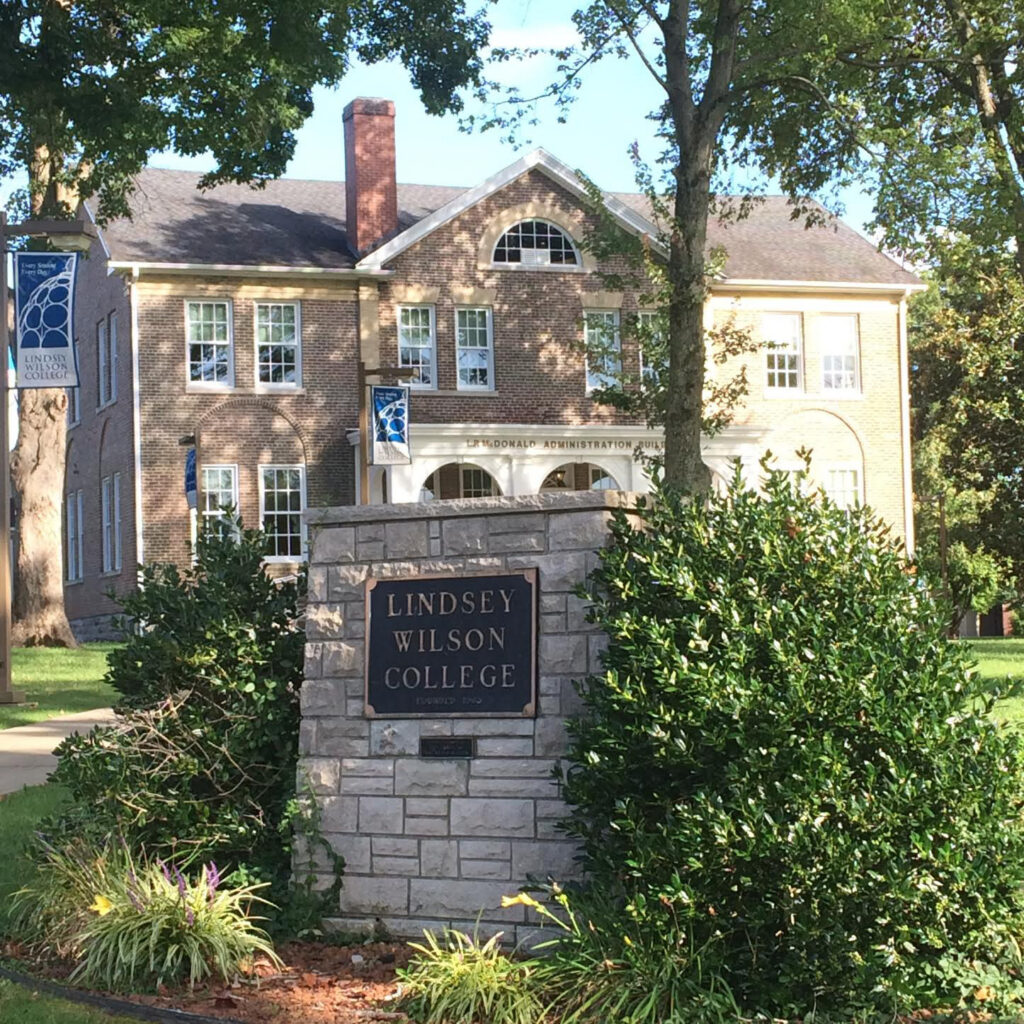
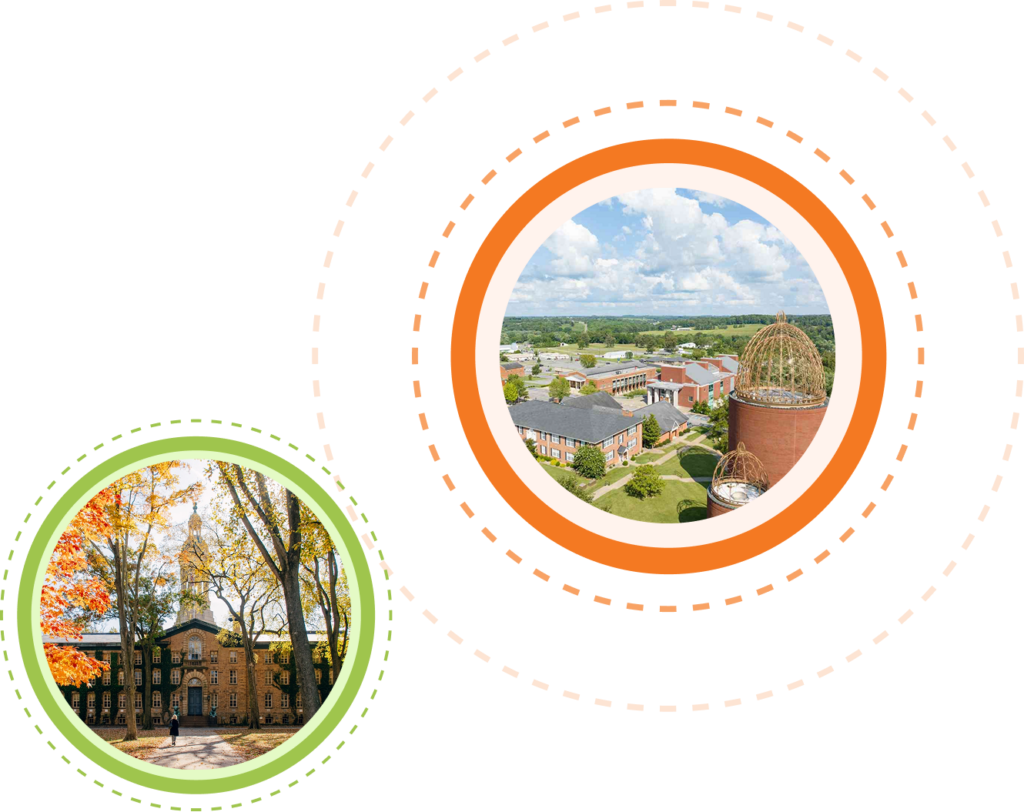
Founded in 1903, Lindsey Wilson University is a private, United Methodist-affiliated institution in Columbia, Kentucky. The university offers undergraduate, graduate, and doctoral programs in a close-knit, student-centered community.
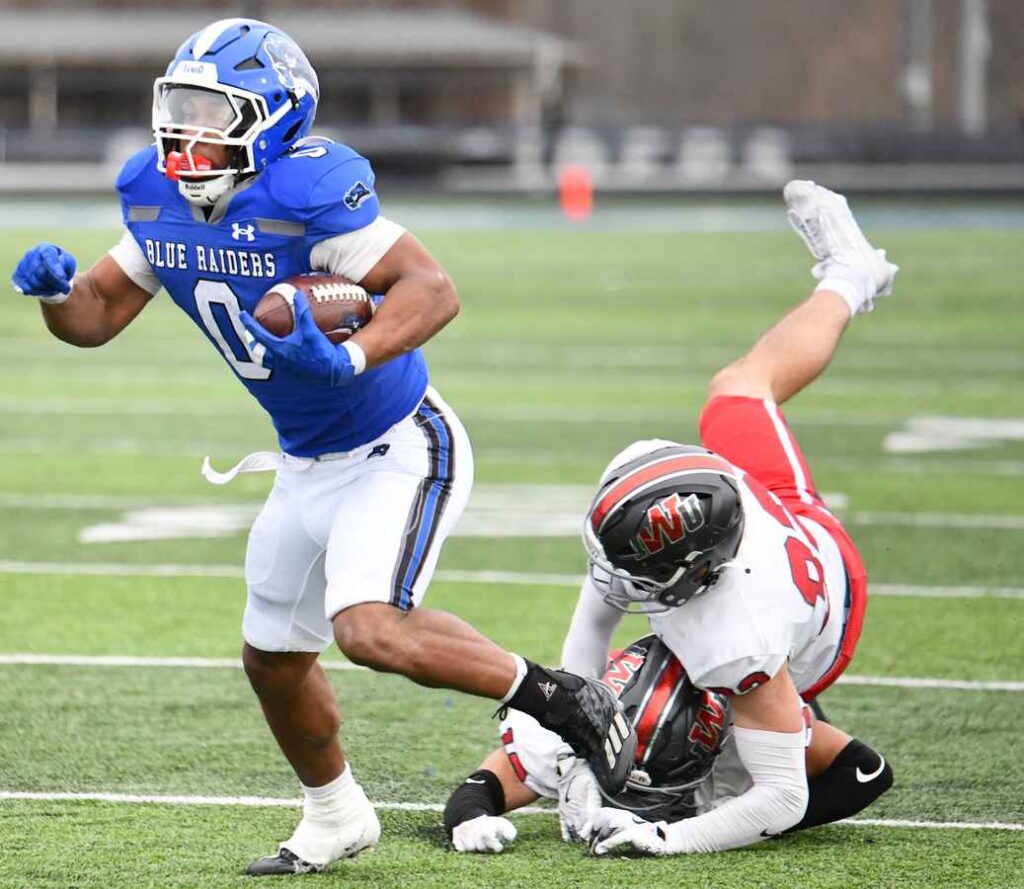
That community extends beyond the campus itself. More than 150 international students from 48 countries study at Lindsey Wilson, while the university also supports approximately 2,400 active SEVIS profiles, most of them connected to Optional Practical Training or STEM OPT. Many students first connect with the university through its 26 National Association of Intercollegiate Athletics (NAIA) teams, while hybrid graduate programs have introduced additional student populations, locations, and administrative needs.
Supporting that complexity is Lindsey Wilson’s six-person International Student Services team, which set out to transform partially adopted technology and specialized workflows into a more connected, proactive, and sustainable operational model.
I-20 batch issuance vs. manual single-student processing
of full SEVIS mass registration completed
of immigration requests processed through one centralized platform
degree programs
total academic pathways
clubs and organizations
intercollegiate varsity sports
of undergraduate students receive financial assistance
When Brandon-Lee Dayton, Director of International Student Services, arrived at Lindsey Wilson in January 2026, Terra Dotta had been in place for over a year, yet the office was operating at roughly 30% of the platform’s full capacity. Much of the daily workflow remained anchored in legacy habits. Individual staff members maintained private Excel spreadsheets to track complex cases like STEM Optional Practical Training (OPT) extensions, while student notes were scattered across personal inboxes.
“When I first started and logged into Terra Dotta, I noticed we were half-using an Excel spreadsheet and half-using Terra Dotta for workflows,” explains Dayton. “Everyone was kind of siloed into their individual roles. One of the first things we had to tackle was getting people to see the bigger picture and understand how each piece connects to the overall student journey.”
At the same time, request templates and instruction guides required a thorough review to ensure the information presented to students was clear, consistent, and accurate. The office had also historically relied on specialized, single-DSO coverage for specific immigration processes. While effective during normal operations, this structure left the department vulnerable whenever staff members took leave or transitioned out of their roles, as cross-training procedures were not systematically documented.
For Sabine Eastham, Principal Designated School Official, who oversees institutional compliance, the lack of a single repository meant spending valuable time piecing together student histories from multiple sources whenever rapid inquiries arose from U.S. Citizenship and Immigration Services (USCIS) or Immigration and Customs Enforcement (ICE). The team recognized that to deliver the high-touch, student-centered care Lindsey Wilson is known for, they needed to consolidate their data and fully embrace a unified system.
With help from the Dottan Desk team, Dayton and Eastham started reviewing every request and template within Terra Dotta, rewriting complex instructions into student-friendly guidance. To address the cross-training gap, Dayton established structured training plans and portfolios: written, step-by-step standard operating procedures covering relevant federal regulations alongside exact system steps. Staff worked through real cases, reviewing their work until they felt completely confident processing requests independently.
“It was both a way to ensure staff felt supported and confident and an accountability measure,” says Dayton. “The Dottan Desk team helped build the training portfolios together so our team has the tools and knowledge to succeed.”
Simultaneously, the office took decisive steps to retire its remaining tracking spreadsheets. The team encouraged colleagues across campus to log comments and send communications directly from the student’s central Terra Dotta profile.
“It makes a world of difference when you find everything within one repository,” notes Eastham. “Having case histories and documentation centralized makes our record-keeping much cleaner and gives us complete confidence during compliance reviews.”
Today, nearly every immigration-related request at Lindsey Wilson flows through a single, consistent entry point. “No matter what an international student needs, if it is an immigration-related request, go into Terra Dotta; 99% of the time, that is a request you can find, fill out, and have processed seamlessly,” Dayton says.
To further accelerate their progress, Lindsey Wilson engaged Terra Dotta’s Dottan Desk for specialized training and analytics consulting. Aligned with the university’s cohort-based intake cycles, the engagement followed a hybrid model: staff completed foundational video modules on their own schedule, then joined live, interactive sessions with Terra Dotta consultants to apply those concepts directly to Lindsey Wilson’s specific configurations and student data.
The Dottan Desk team helped the university identify underutilized custom fields, analyze the nuances of their nightly Student Information System (SIS) data feed, and master live analytics reporting. This hands-on guidance allowed the team to unlock powerful platform capabilities that had previously gone unused.
“Working with the Dottan Desk team was like having an expert guide right beside us,” Eastham shares. “They helped us see simpler, more effective ways to accomplish our goals and showed us how to get the exact data we needed in seconds.”
The operational impact was immediate. The team streamlined I-20 batch issuance from an arduous individual task down to about six clicks per group. They also completed their second full Student and Exchange Visitor Information System (SEVIS) mass registration cycle with ease and added a custom field to their Banner SIS feed to categorize five distinct student populations for automated routing and custom reporting.
Transitioning fully to Terra Dotta also reshaped how the office interacts with students on a daily basis. Previously, the lack of automated receipt confirmations led anxious students to call and email repeatedly to check on their request status. By enabling automated confirmation messages and clear status tracking, the office eliminated unnecessary back-and-forth and provided instant peace of mind.
Furthermore, the team began leveraging analytics to drive proactive outreach. Instead of waiting for students to reach out about post-graduation options, Dayton configured automated workflows that identify students 100 days prior to their program end date and send timely instructions on applying for OPT.
“Everything used to be very reactive. Now, simple automations within Terra Dotta reassure students immediately, and proactive analytics allow us to reach out well before critical deadlines,” Dayton explains.

Reflecting on their transformation, Dayton and Eastham offer valuable guidance for peer institutions seeking to elevate their own system adoption and workflow efficiency.
First, Dayton recommends focusing intensive system training on a core leadership team during major configurations or onboarding. Rather than bringing an entire multi-departmental team into initial setup sessions, establishing a lead group allows key decision-makers to master the software and design standard operating procedures before cascading knowledge to the rest of the department.
Second, Eastham emphasizes the importance of pairing software navigation directly with regulatory context. Creating written training portfolios that connect federal regulations to specific system buttons builds staff confidence, ensures operational continuity during staff transitions, and establishes clear departmental accountability.
Finally, the team encourages peer offices to look beyond standard request intake and leverage expert support, like Terra Dotta’s Dottan Desk team, to unlock advanced features early on. With Dottan Desk helping set up custom SIS fields and live analytics, offices can automate routine messaging, simplify compliance reporting, and shift their focus from daily troubleshooting to proactive student care.
“No matter how disparate your current process might feel, you too will get through it with Terra Dotta,” Eastham emphasizes.
With documented cross-training, centralized communications, and automated workflows in place, Lindsey Wilson’s international student services team is exceptionally well-prepared for its next milestone: serving as a migration partner for Terra Dotta’s ISSS Next Gen release.
The upcoming migration will introduce further operational enhancements, including automated secondary approver workflows and even more flexible population routing, helping the office continue elevating its support for Lindsey Wilson’s global community.