
Washington University in St. Louis
St. Louis, MO
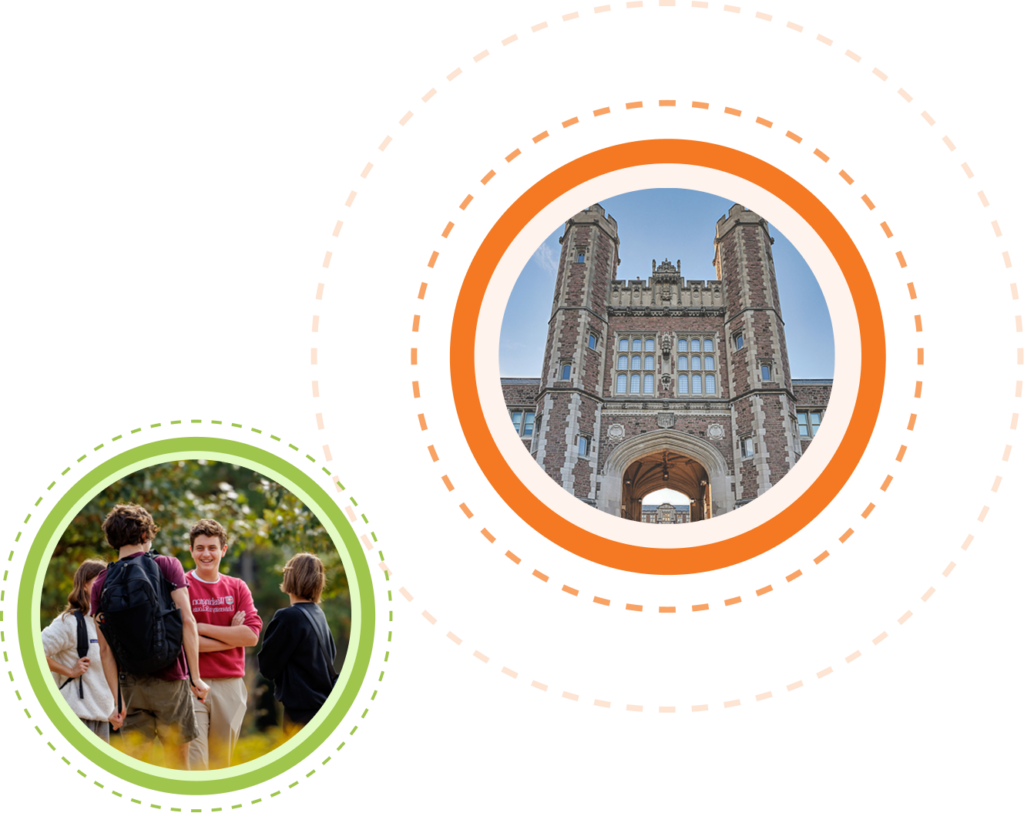
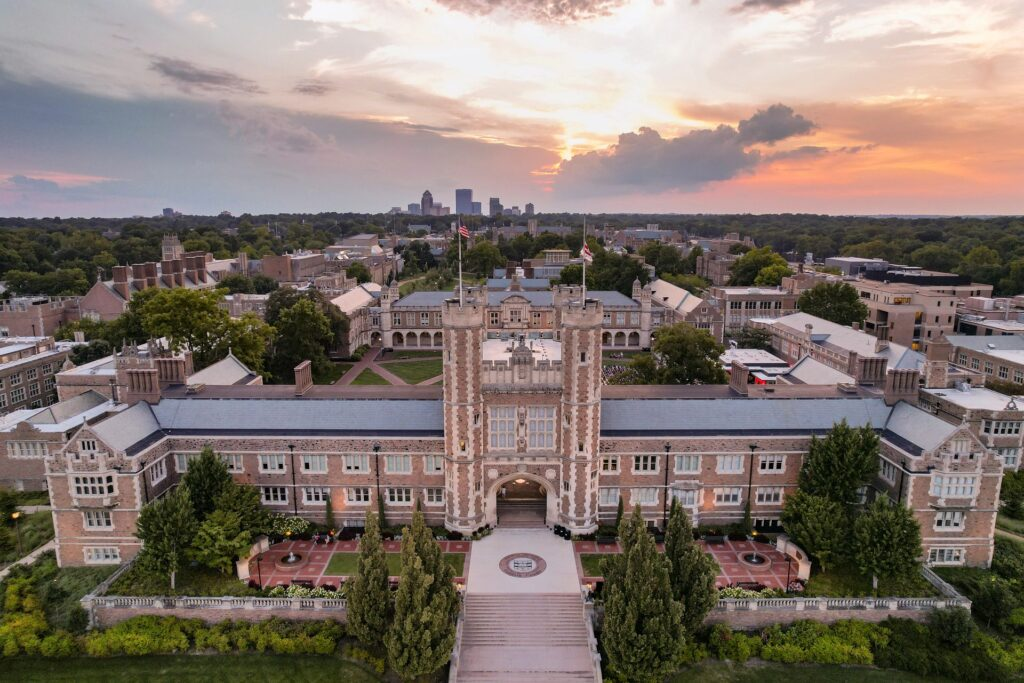
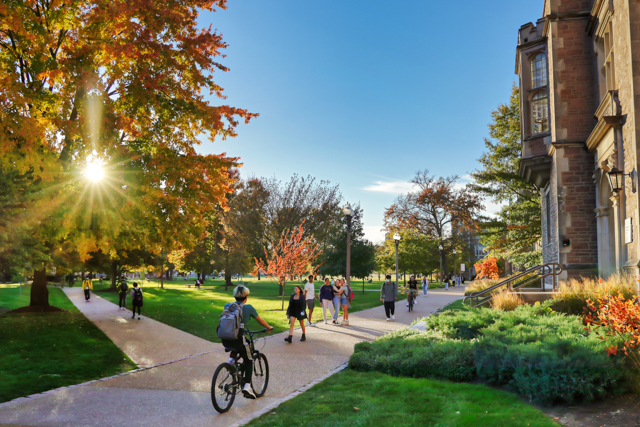
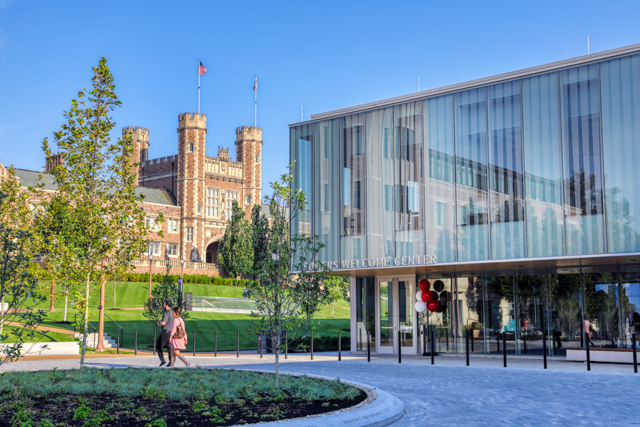
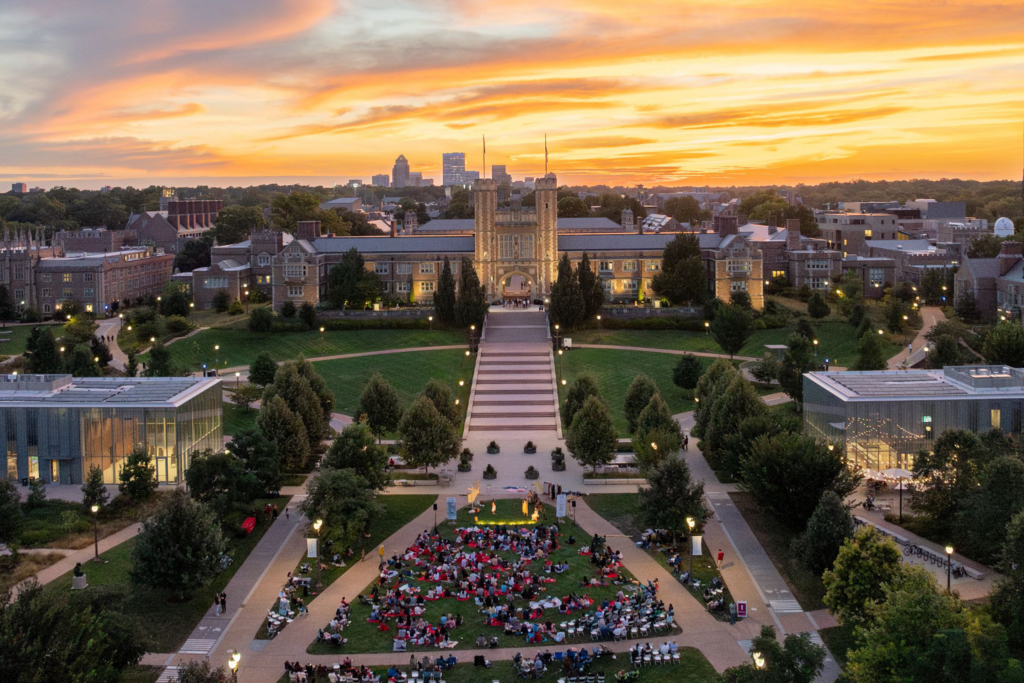
Founded in 1853, Washington University in St. Louis (WashU) is a leading research university serving nearly 16,000 students. It is also home to world-class faculty, including 26 affiliated Nobel Laureates, and is nationally recognized for research innovation and academic excellence.
Study abroad is central to the WashU experience. Half of all undergraduates study abroad through a carefully curated portfolio of programs spanning more than 50 countries. Delivering global opportunities at that scale depends on systems that help staff, faculty, and advisors work efficiently while maintaining a highly personalized student experience.
For Kim Mantia-Ochoa, Application Administrator at WashU, Terra Dotta has become a critical foundation for managing that complexity.
When Kim joined WashU nearly eight years ago, she stepped into the Terra Dotta system that had been supporting the university’s study abroad programs since 2011—a solid foundation with untapped potential. “I first had to sit down and learn the system and understand how everything was set up,” recalls Mantia-Ochoa. As she began exploring the platform, she saw clear opportunities to refine how the system could benefit advisors and program management across the university.
One such opportunity quickly became apparent: better connecting program “owners” to the programs they managed. Advisors across Arts and Sciences, Business, Engineering, and other schools all worked within the same system, but identifying which school oversaw a particular program—or generating reports by college—was not always straightforward.
application reviews, saving 130+ staff hours annually
repetitive meetings, freeing time for advising, outreach, and program development
faculty experience with consolidated application views
undergraduate student groups
graduate student groups
The first project focused on creating a more intuitive organizational structure. By categorizing programs by school, it made it easier for advisors to locate the programs they managed and access relevant information quickly. It was a relatively small structural change, but it set the tone for her approach: identify opportunities for improvement, and build momentum through wins.
Mantia-Ochoa focused on targeted enhancements that would immediately reduce manual effort for advisors while improving consistency across the application process. One of the most effective changes involved automating routine workflow steps that previously required repeated staff intervention.
For example, advisors once needed to manually remove tracking tags from applications after sending approval notifications to partner institutions. While simple, this task added up quickly across hundreds of applications each year. By introducing an automated workflow, the system now removes the tag automatically when a student’s status is updated, eliminating unnecessary follow-up work.
A similar approach streamlined the review process for students with lower GPAs. Previously, advisors manually deployed additional requirements, applied tracking tags, sent instructional emails, and monitored completion. Now the entire process is automated.
Across approximately 520 annual applications, these automations reduced review time by 10–15 minutes per application, creating substantial operational efficiencies while ensuring consistent, transparent processes.
Automation also reshaped how advisors communicate with students, helping the team proactively answer common questions before they turned into meetings or email exchanges.
For one Amsterdam program, advisors frequently scheduled appointments to walk students through a complex host-institution course registration process. Kim introduced an automated introductory email that is sent as soon as a student begins an application, providing step-by-step guidance, helpful links, and clear next steps.
“It has really cut down on the number of appointments advisors needed just to explain the same information repeatedly,” Mantia-Ochoa explains.
Combined with workflow automation, these improvements return more than 130 staff hours annually to the advising team. Advisors can now dedicate that time to higher-value activities such as student advising, classroom outreach, and strategic program development, strengthening both operational capacity and the overall student experience.
The shift to Terra Dotta’s updated interface brought additional benefits, particularly for faculty managing WashU-led programs.
Faculty often requested a way to view entire applications in one place and print them for review. The updated system solved this challenge, allowing faculty to see all application materials consolidated in a single view.
“Faculty have everything in one place, and print what they need,” says Mantia-Ochoa. “I’m not getting as many emails asking, ‘Where do I find this?’ That’s been a big win.”

For students, upgraded program search tools improved the browsing experience. Enhanced visuals, better use of program photos, and filtering capabilities helped students navigate WashU’s portfolio more effectively, especially when searching for programs approved for their specific majors.
“I’ve had positive feedback from students, faculty, and staff on the overall experience,” says Mantia-Ochoa.
One of Kim’s most significant projects was restructuring how permissions work across the system—a change that had been on the radar for years but required dedicated focus to execute.
“I had the pressure to make this transition since 2019,” says Mantia-Ochoa. “Once I had that capacity, I set aside about two weeks to work through it systematically.”
Her approach was pragmatic: build the system around how WashU actually operates. Because the office organizes programs into groups, Mantia-Ochoa structured permissions around those groups rather than creating individual settings for every single program.
The transition unlocked new capabilities and positioned WashU to capitalize on ongoing program improvements.
Kim Mantia-Ochoa is an active member of various Terra Dotta community groups, participating in design sessions and providing feedback that shapes product development.
“When Terra Dotta opened up various customer-centered groups, you didn’t have to do that,” says Mantia-Ochoa. “You didn’t have to ask us what we thought. That brought trust, you really want to know what we’re using and hear from us.”
She also values real-time chat support for quick troubleshooting. “If we have an issue, I can get an answer quickly instead of waiting days. And if someone doesn’t know the answer immediately, they’ll follow up—they’re not just closing tickets.”
The Terra Dotta Community has given Mantia-Ochoa access to best practices from peer institutions, early visibility into new features, and a voice in shaping the platform’s direction.
Drawing on years of experience optimizing WashU’s study abroad operations and training team members, Kim Mantia-Ochoa offers practical guidance for institutions looking to maximize their Terra Dotta investment:
1. Start with approachable tools. Email templates provide an accessible entry point to automation, helping new users quickly see value and build confidence in the system.
2. Focus on incremental wins. Address high-impact challenges one at a time. Small, successful improvements build momentum and encourage broader adoption.
3. Set aside dedicated time for major initiatives. Focused implementation periods allow teams to complete complex transitions, such as role restructuring or workflow redesign, more efficiently.
4. Customize to your context. Don’t replicate what other institutions do if it doesn’t fit your office’s operations. Build around your actual workflows and structures.
5. Engage with the user community and support resources. Regular collaboration with support teams and peer institutions helps uncover new capabilities, solve challenges faster, and continuously improve system use.
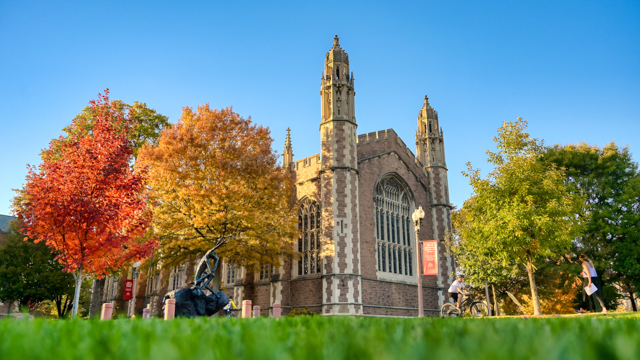
WashU’s experience highlights that lasting impact comes from empowering knowledgeable users, refining processes over time, and aligning technology with how teams actually work.
By leveraging Terra Dotta to simplify workflows, automate routine tasks, and create clearer experiences for advisors and faculty, WashU has strengthened both operational resilience and student support.
As participation continues to grow, WashU now operates on a scalable, adaptable foundation that enables continuous improvement while preserving the personalized guidance that defines a high-quality international education experience.