

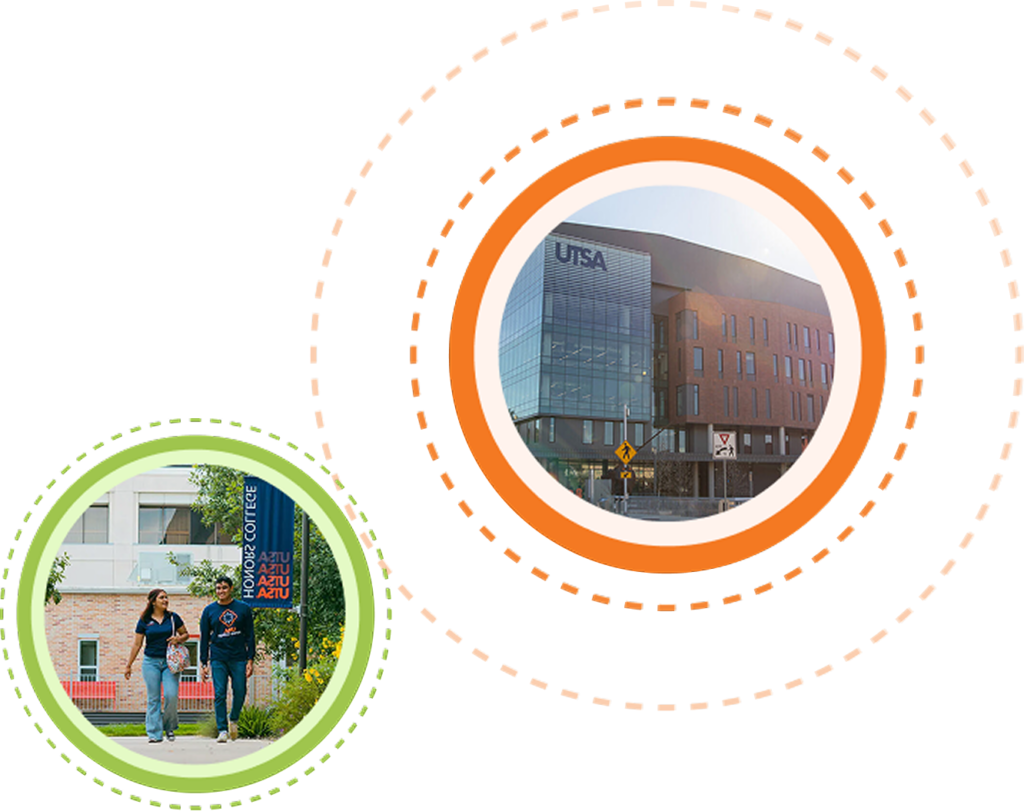
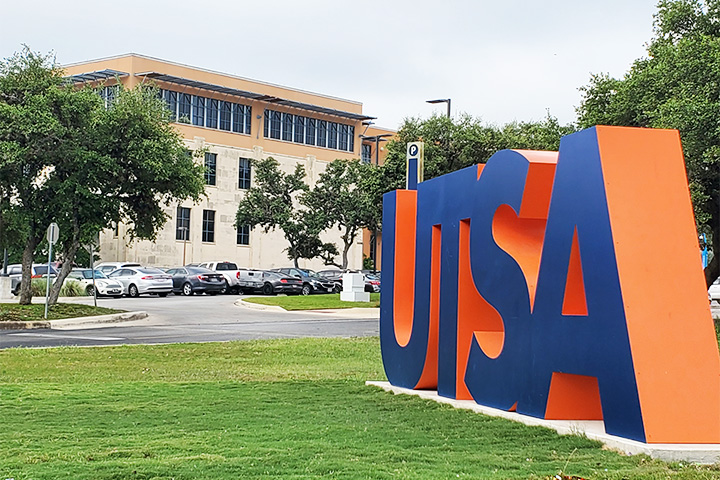
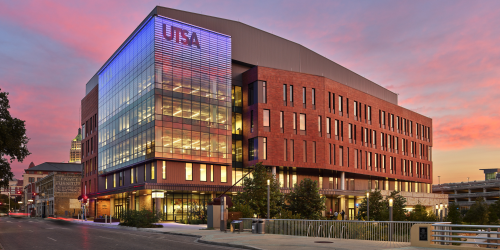
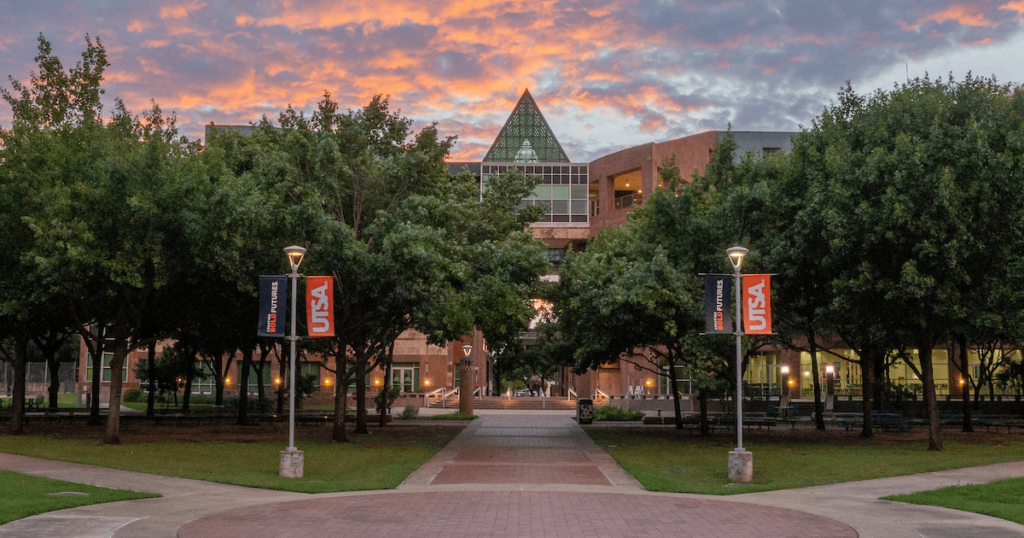
The University of Texas at San Antonio
San Antonio, TX
UT San Antonio is a Tier One research university, serving more than 42,000 students across 350+ academic programs. The university is nationally recognized for research innovation, doctoral education, impact, and delivering exceptional value to students and families.
Study abroad is an integral part of that mission. Each year, around 700 students head abroad through a network of eight premier provider partners, several approved affiliates, and 30 faculty-led programs.
But managing that scale of opportunity comes with operational complexity, especially for a lean team. With just three staff members supporting hundreds of students each application cycle, the study abroad office needed smart systems that could keep pace with demand while preserving the personalized support that students and faculty depend on. Terra Dotta became a key partner in shaping that experience.
When Lucian Smith joined UT San Antonio as Program Specialist for Study Abroad, he stepped into a robust Terra Dotta environment with significant potential.
“I am continually building my technical skills,” Smith says. “When I first started working in Terra Dotta, I knew it was powerful, but I also knew I needed to start small and build from there.” Rather than attempting a full-scale overhaul, Smith focused on what he calls “low-hanging fruit”—practical improvements that would immediately benefit students, faculty, and staff.
hundreds of manual emails per application cycle
faculty leader experience through streamlined access
a small SA team to efficiently manage hundreds of students
provider programs coordinated via the university- approved partners
university-led faculty programs
academic programs university-wide
Before fully leveraging Terra Dotta’s capabilities, the study abroad team navigated a system shaped by successive administrative transitions. While the software was in place, much of the institutional knowledge had departed with previous administrators. This led to a reliance on semi-manual workflows, in which emails were often drafted by hand and dispatched in batches, without the benefit of personalized mail merges or integrated triggers. This “clean slate” phase presented a unique opportunity to move beyond inherited habits and rebuild the system’s logic from the ground up to meet current institutional needs.
Smith implemented email templates and application status triggers—an accessible feature set that immediately reduced repetitive work. “With application triggers, I can change a student’s status, and the system automatically sends a personalized message using mail merge,” Smith explains. “It’s not completely automated; we still control every decision, but it saves us an enormous amount of time.”
Each small step like that helped the team build confidence. Each change was manageable. And each improvement made the system more intuitive for the people using it every day, ensuring the university’s complex program ecosystem remained organized and easy to sustain over time.
UT San Antonio faculty leaders are essential partners in delivering study abroad programs, but they’re also extremely busy. Working with Terra Dotta’s support resources, Smith restructured user permissions to create what he calls “faculty sandboxes”—tailored access that shows faculty leaders only what is relevant to them.
“Faculty leaders are assigned user-level access that limits their view to the programs they lead. So they only see their own applicants and don’t have to sort through unrelated program data,” says Smith. This streamlined experience makes it easier for faculty to batch email their cohorts, track application progress, and focus on what matters: preparing students for a successful experience abroad.
“I’m thinking in their best interest,” Smith adds. “Putting safeguards into practice and making fewer steps to what they need to do. Faculty leaders are really busy, so making their experience simpler benefits everyone.”
Terra Dotta’s approachability played an important role in sustaining momentum. Features like batch actions, email templates, and application triggers offered accessible entry points that delivered immediate value.
With support from Terra Dotta’s training resources, conference sessions, office hours, and live chat, the team continued to refine workflows over time, adopting new features as needs evolved. This steady, iterative approach ensured changes felt manageable and aligned with real-world operations.
Rather than introducing complexity, Terra Dotta provided structure, helping the team work more efficiently while maintaining the flexibility to adapt.
The results have been transformative: not just operationally, but in how the study abroad office supports students and faculty.
“I can conduct exchange interviews, support faculty leaders with their program brochures, and provide personalized guidance. Automated methods of managing applicants free me up for the work that really matters,” says Smith.
The team has also been able to take on ambitious projects that would have been difficult before. The office organized a major study abroad fair with 20 faculty-led programs, multiple provider companies, and strong student turnout.
“With the efficiencies we’ve implemented through Terra Dotta, we can manage 600-700 students annually and still maintain a strong presence on campus,” adds Smith. “As study abroad interest grows across the university, Terra Dotta helps us scale our operations while still giving students the advising and support they need to confidently navigate their options and succeed abroad.”


UT San Antonio story demonstrates how the right tools paired with thoughtful implementation and strong support can multiply a small team’s impact. By automating routine tasks, simplifying faculty access, and creating space for relationship-building, Terra Dotta has helped the study abroad office work smarter, grow strategically, and stay focused on what matters most: supporting students as they pursue academic opportunities abroad.
Graduate assistants spend significantly less time on repetitive handling tasks, freeing them to contribute to more meaningful work. Built-in reporting and analytics have enhanced operational visibility across the board, while process transparency and audit readiness have strengthened considerably.
Most importantly, the team created a scalable, resilient workflow that can adapt to changing needs without requiring constant intervention or additional staffing. And by aligning people, processes, and technology, UNCG transformed I-20 processing from a bottleneck into a strategic strength, creating a smoother, more confident start for every international student they serve.