

Illinois State University
Normal, IL
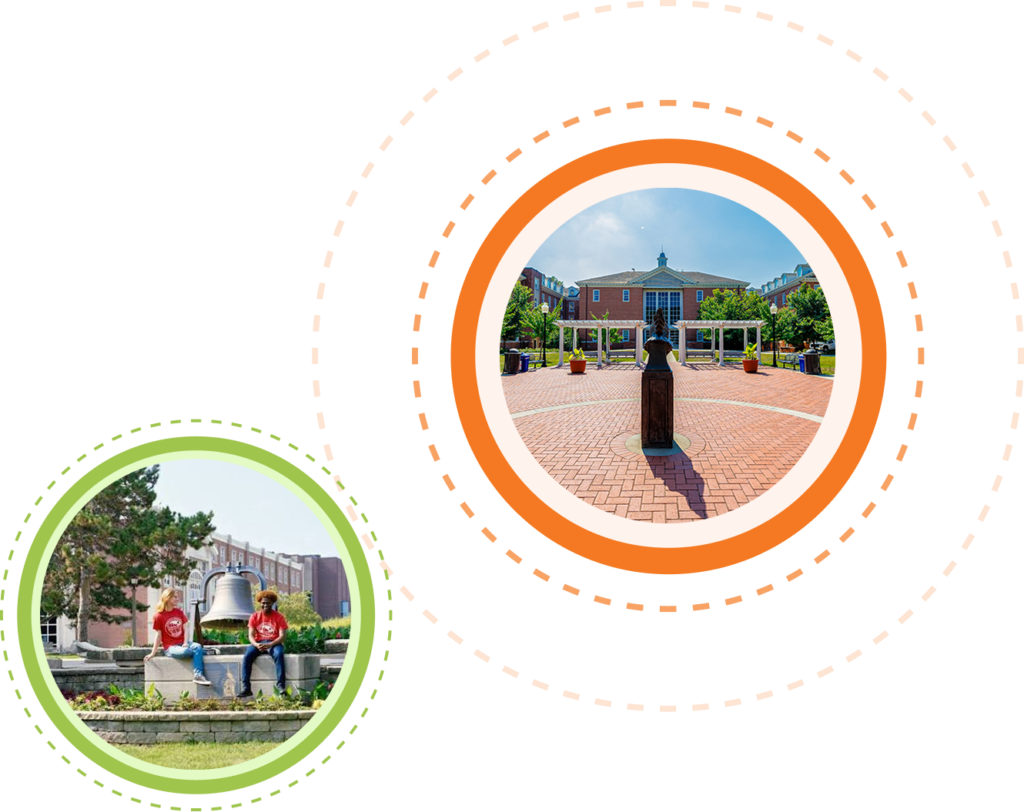
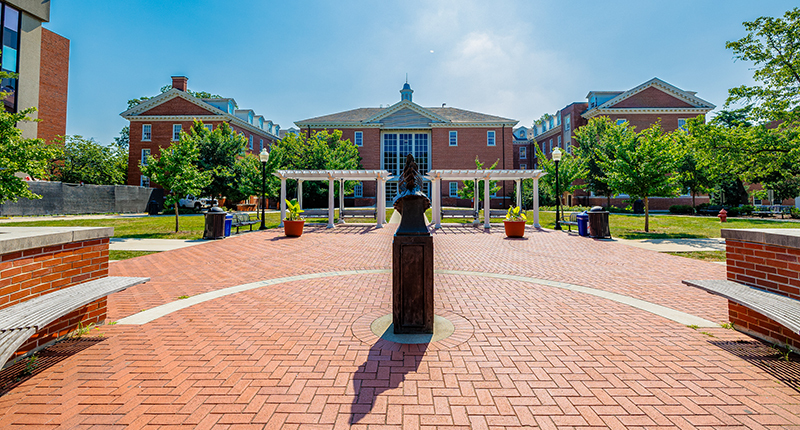
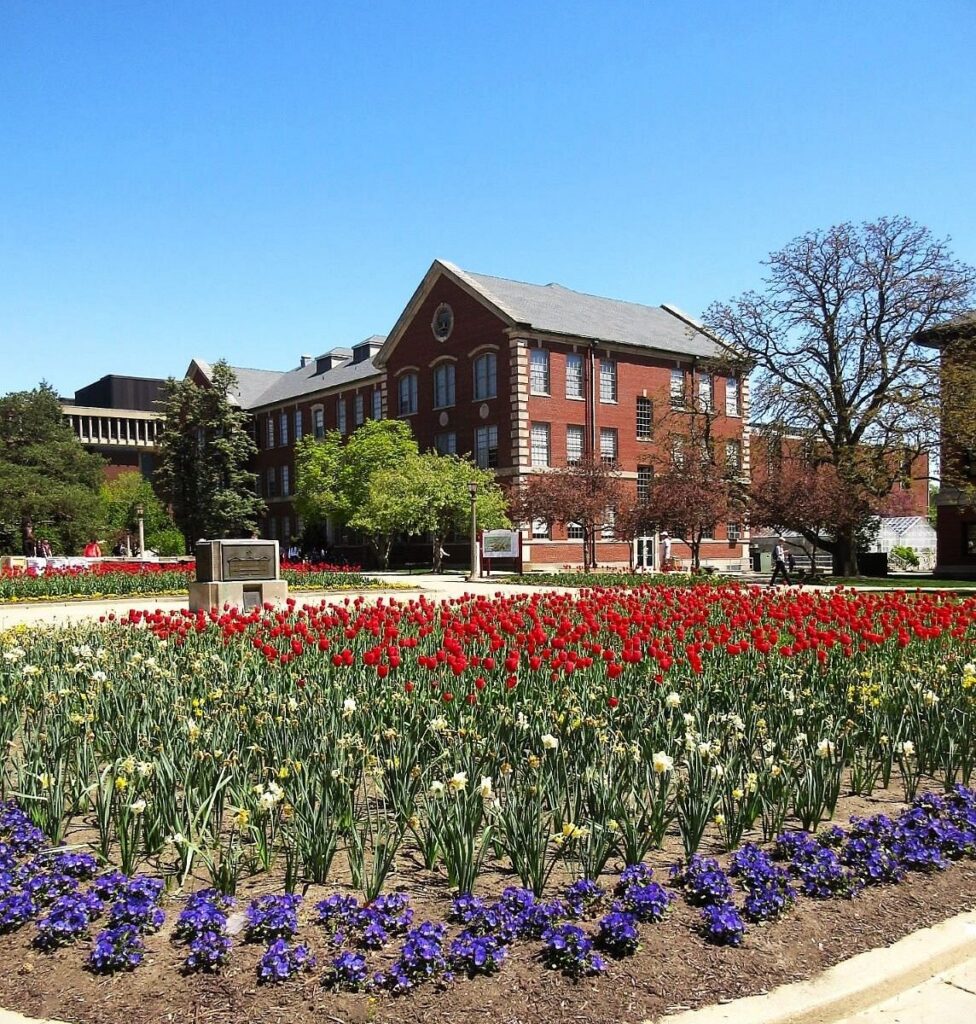
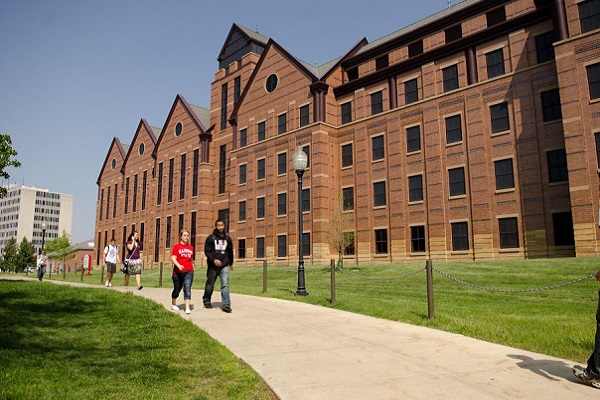
Founded in 1857 as Illinois’ first public university, Illinois State University prepares more than 22,000 students through collaborative teaching, scholarship, and service. That commitment extends beyond the classroom through a campus community designed to help students explore new perspectives, build connections, and engage with opportunities around the globe.
Within the Office of International Engagement, the Study Abroad team plays an important role in making those experiences possible. The office supports approximately 400+ students studying abroad each year through faculty-led programs, exchange opportunities, and direct-enrollment experiences.
Unlike many institutions where academic departments independently manage faculty-led programs, Illinois State’s Study Abroad team coordinates the logistics and operational details for these programs in partnership with campus departments. During the summer, the office’s busiest season, faculty-led programs represent a significant portion of students going abroad, with approximately 14 programs running during the term.
Supporting all of this work is a small but dedicated team: Emma Guevara, Assistant Director for Education Abroad, and two study abroad advisors.
As study abroad participation continues to recover and grow following the pandemic, the team’s focus is on building capacity to expand access to global opportunities while preserving personal advising relationships.
students supported abroad each year by a three-person team
application cycle launches, replacing manual calendar reminders with set-and-forget workflows
student experience
through a redesigned website, intuitive navigation, and enhanced Program Finder
registered student organizations
degree options
faculty-led study abroad programs
colleges
laboratory schools
For Illinois State University, growing study abroad participation means helping more students overcome barriers and see international experiences as an achievable part of their education. Affordability is a central part of that effort. Many students rely on financial aid, making scholarship awareness, cost transparency, and thoughtful advising essential parts of the study abroad process.
At the same time, the Study Abroad team is focused on expanding outreach, improving program visibility, and helping more students discover opportunities that fit their academic and personal goals. Balancing those priorities requires intentional use of time. “We’re always looking for ways to encourage more students to study abroad,” says Guevara. “But with a smaller team, you also have to balance that with the day-to-day work of helping students get abroad.”
Illinois State University had already been using Terra Dotta for years. The next opportunity was discovering how much more the team could accomplish with the tools already available.
As Guevara moved from study abroad advisor into her current leadership role, she brought first-hand knowledge of the processes that shaped advisors’ daily work. She understood where small improvements could make a meaningful difference. Rather than attempting to redesign everything at once, the team focused on the workflows that had the greatest potential impact. Application review became the first priority.
Working with the Dottan Desk team, Illinois State began implementing application triggers to reduce repetitive review steps and create a smoother workflow for advisors. While those workflows are still being expanded, the goal is clear: spend less time managing routine processes and more time supporting students.
“There’s so much Terra Dotta can do that we’re still discovering,” says Guevara. “Once you learn more about the features, you realize there are so many opportunities to streamline your processes.”
While internal workflows were an important focus, Illinois State also looked at how students experience the study abroad journey. For many, the first challenge is knowing where to begin. They may be comparing programs, reviewing eligibility requirements, exploring costs, or trying to understand which opportunity is the right fit. The Study Abroad team wanted to make that process easier to navigate.
Through a website redesign using Site Builder and leveraging expertise from the Dottan Desk team, updates to the student experience, and the launch of a refreshed Program Finder, Illinois State created a clearer path for students exploring international opportunities. The Program Finder project also created an opportunity to strengthen the information behind the experience. As the team updated program listings, they reviewed details, refreshed content, and ensured internal records matched what students saw online.
The impact has already started to show: the team has seen fewer questions from students about where to find information or how to complete steps within the portal. For Guevara, that is an important indicator that the experience is becoming clearer. That shift gives advisors more time for conversations that require their expertise.
Illinois State’s approach has been intentionally incremental. Instead of treating technology improvements as one large project, the team has focused on identifying opportunities, testing solutions, and building confidence over time. For Guevara, that process starts with paying attention to everyday challenges. Before working sessions, she creates a list of processes she wants to improve or questions she wants to explore. After each session, she sets aside dedicated time to practice and implement what she learned.
That approach has helped Illinois State turn learning into action. The team has also embraced experimentation as part of the process. “When I first started, a lot of times we just did things the way we always knew how to do them,” says Guevara. “But there are a lot of things that can be streamlined.”
Illinois State’s experience highlights an important lesson for institutions looking to improve their own workflows: meaningful change does not always require a complete transformation overnight.
Small improvements, when chosen strategically, can create significant impact over time. For teams beginning a similar journey, Guevara recommends starting with the processes that create the most friction. Identify repetitive tasks, understand where staff time is being spent, and look for opportunities to create a smoother experience for both advisors and students. She also encourages teams to explore the tools they already have.
“The more you do it, the more comfortable you get,” says Guevara. Through ongoing learning, training resources, and collaboration with Terra Dotta’s teams, Illinois State continues finding new ways to improve its operations.


Looking ahead, the team is exploring additional opportunities, including bringing program cost sheets into Terra Dotta. Today, some cost information is managed through spreadsheets and uploaded as PDFs. Moving that process into a more connected workflow will make information easier to maintain and help students better understand the financial considerations of studying abroad.
For Illinois State University, the goal of technology improvement is ultimately about people.
By pairing strategic process automation with compassionate, student-centered advising, the team has built a resilient framework for global engagement. Through its partnership with Terra Dotta, Illinois State University proves that a lean team can manage complex global logistics, streamline back-office administration, and keep student success at the center of international education.