Gettysburg College
Gettysburg, PA
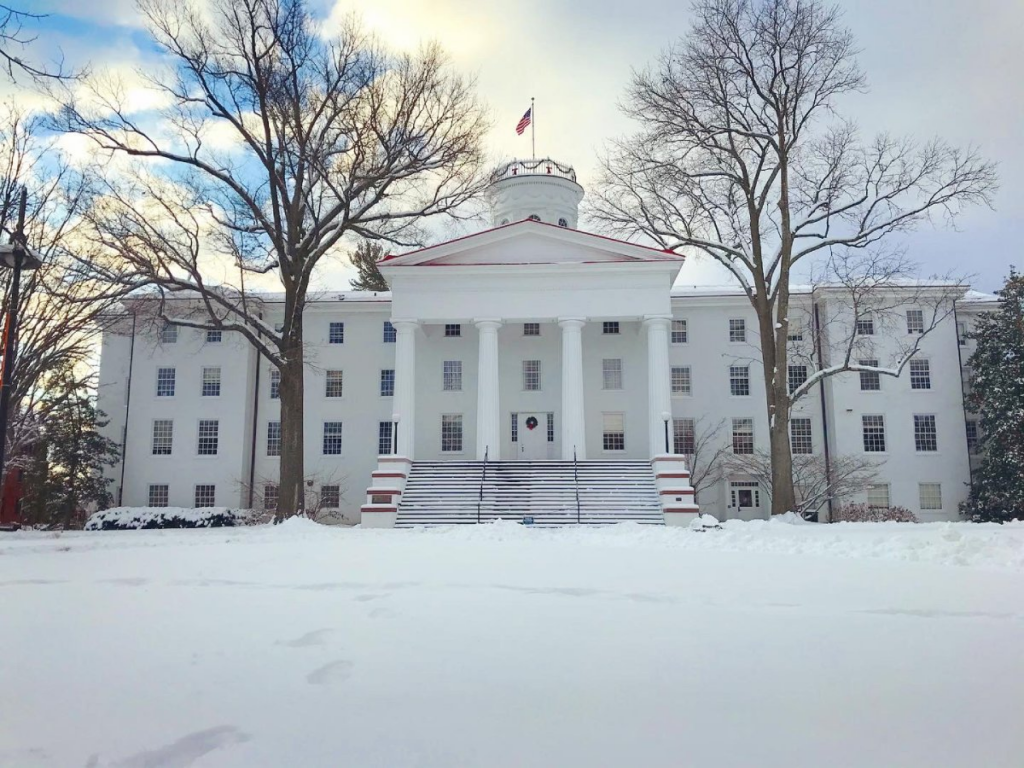
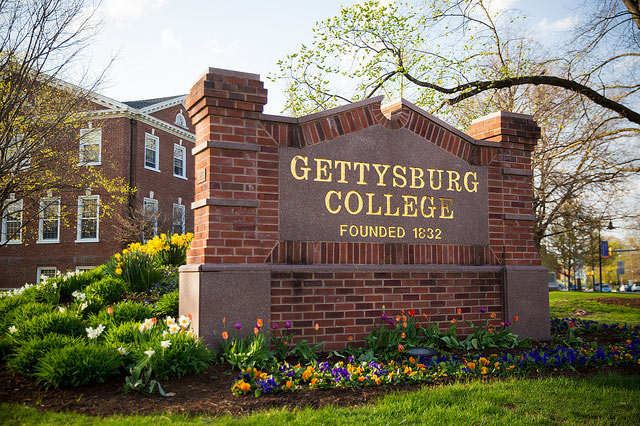
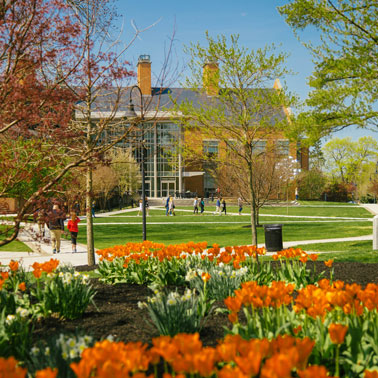
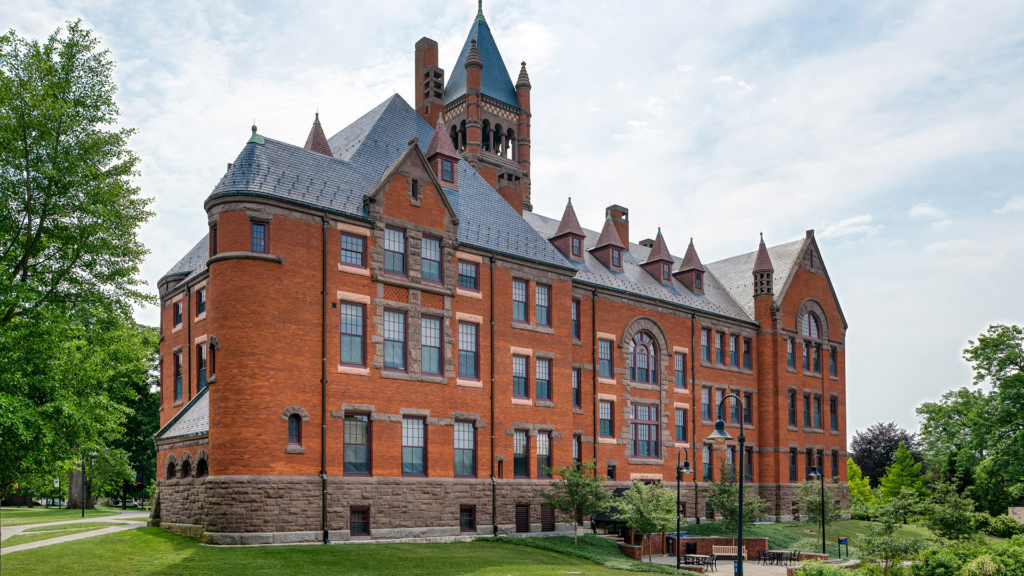
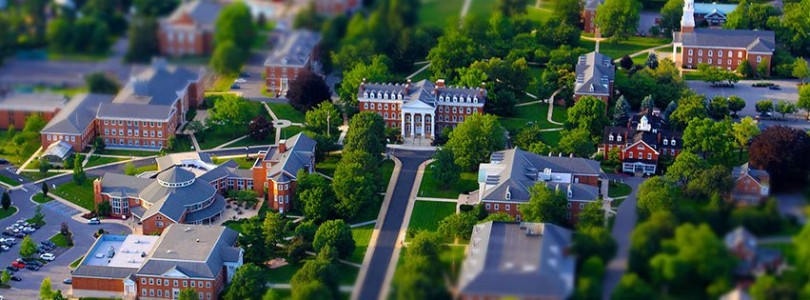
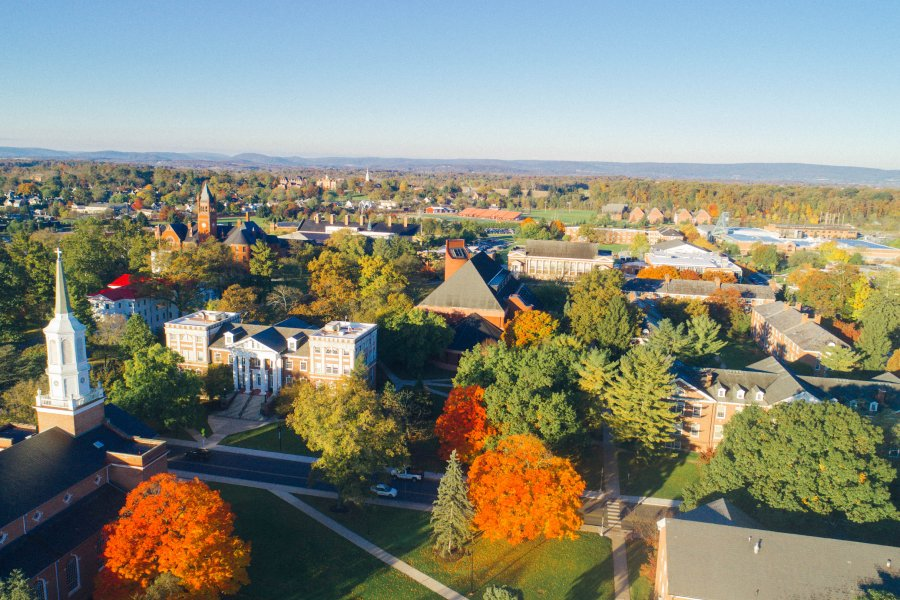
Founded in 1832, Gettysburg College is a private liberal arts institution in Pennsylvania known for its close-knit campus and strong commitment to student engagement. With over 2,200 students, the college delivers highly personalized academic and co-curricular experiences.
That same philosophy extends to its International Student Services (ISSS) office. The ISSS team has built its reputation on high-touch advising, intercultural programming, and comprehensive support that helps international students thrive. To sustain this advising-first approach while supporting a growing volume of student needs, the team took a strategic step forward by adopting Terra Dotta’s ISSS Next Gen solution.
For years, Gettysburg’s ISSS office relied on a basic SEVIS batching system, one that could send data to SEVIS but offered little else. “We couldn’t save documents there. We couldn’t take notes. We didn’t have the ability to have students make requests, use tags, or letter templates. We were really back in the Dark Ages,” explains Brad Lancaster, Director of International Student Services.
The limitations extended beyond functionality, including support. “There was nobody to contact,” says Lancaster. “We were alone on an island.”
As Gettysburg’s international population grew, the gaps became more apparent. Without a robust request system, the office handled constant email back-and-forth. Document collection meant physically scanning papers at copy machines and manually filing them. Pulling custom reports required wrestling with their student information system or manipulating SEVIS spreadsheets.
time savings on daily student coordination
document collection at orientation vs. hours of manual processing
custom reporting vs. manual data extraction from multiple systems
academic programs
Moving from an in-house system supported by IT to Terra Dotta also allowed IT to redirect valuable staff time and resources to other important priorities at the College. “Things would break on a regular basis, and we needed a lot of help. The in-house support was becoming more than we could handle,” says Lancaster.
The team realized they were approaching a tipping point. Without change, the team viewed itself as “simply a paperwork factory,” spending days processing forms rather than advising students. For a small college known for personalized support, that outcome was unacceptable.
The decision to adopt Terra Dotta’s ISSS Next Gen platform was both practical and strategic. Practically, the college needed to move away from a system that its IT team could no longer support. Strategically, they recognized that the right platform could protect their advising mission while improving efficiency and compliance.
“Looking for something like Terra Dotta was partially about our in-house support challenges, but it was mostly about the fact that we have more international students than ever,” says Lancaster. “In order to maintain and improve how we work with them, we needed a solution where students had agency in the request process and where the system saved us time rather than consumed it.”
Joining the Full Release Early Adopter program meant working alongside Terra Dotta’s product team during the platform’s initial launch. For Gettysburg, it felt like an opportunity to get in on the ground floor.
What stood out most during implementation wasn’t just the technology; it was the people.
“Terra Dotta was extremely generous with the amount of time they spent with us,” says Lancaster, referring to partnerships with Terra Dotta’s Product and Enablement teams. “We stayed fairly well on track with our implementation timelines. We expected a few minor challenges because we didn’t have a lot of internal expertise, were one of the first users, discovering things, and giving feedback to help make the software the exact solution we needed.”
The responsiveness was striking. “Any questions we had, any problems we encountered, we got answers super quickly—a lot of ad hoc Teams meetings to figure things out. I felt very, very well supported,“ Lancaster notes.
When issues arose, they were often resolved immediately. “If we encountered some sort of bug, Terra Dotta got us a fix within the next day or within a week,” says Lancaster.
However, what truly differentiated the experience was domain expertise. Unlike support teams at other software companies, the Terra Dotta team had worked as Designated School Officials (DSOs) in international student services offices. They understood the work from the inside.
“Terra Dotta’s ability to explain why a certain feature existed from my perspective was great,” says Lancaster. “They would give examples like, ‘Oh, for this situation, you could write a report for that. Here’s how you do it.’ She knew the situation because she had been a DSO before.”
That expertise shaped the entire implementation. “They were able to anticipate concerns and reassure us,” adds Rebekah Hurwitz, Assistant Director of International Student Services. “It was really clear how thoughtfully the Terra Dotta onboarding team was approaching things.”
The transformation became tangible the first time Gettysburg tested document collection for new student orientation. Previously, collecting required immigration documents—passport, visa, I-94—was a logistical challenge. Students arriving for orientation had just entered the U.S., so the I-94 couldn’t be collected in advance. The office tried building upload forms, but the backend filing was complex and unreliable.
“We were not that many academic years away from physically scanning everything at the copy machine to get it into a folder that we could manually or with a student assistant put into our online filing system,” Lancaster recalls.
Now, the process is radically different. “We can invite the student through a request to do a check-in,” Lancaster explains. “A student gets a request, they log into Terra Dotta, they upload their passport, I-94, visa, whatever we need to check in. They hit save, and instantaneously, it’s in the documents folder for the student under their profile.”
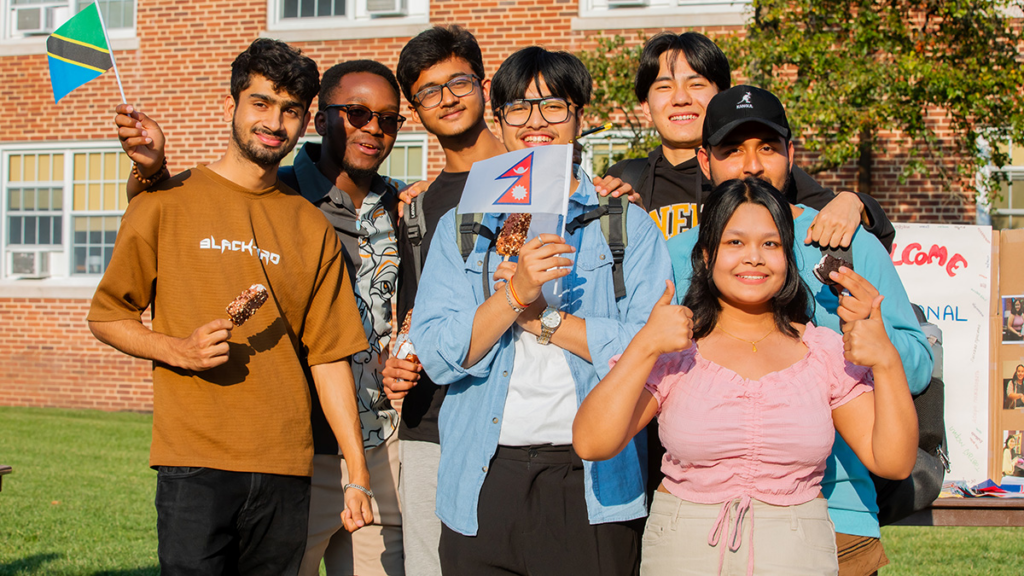

The impact is hard to overstate. “The ability to collect all of those required immigration documents in five minutes in an orientation session is life-changing for us,“ says Lancaster. “It improves compliance and improves our record-keeping–it’s a perfect solution.”
Another early win came through RTI Connect, Terra Dotta’s real-time integration with SEVIS.
“RTI Connect is fantastic,” says Lancaster. “It’s pretty instantaneous. Something as simple as being able to look up a student in Terra Dotta by first name or nickname and then click RTI Connect to check out that student’s SEVIS record—it’s amazing. It’s not as easy to find a student directly in SEVIS.”
The automation goes further. “To be able to automatically have return documents from SEVIS put into somebody’s file—that’s kind of a revelation to us,” Lancaster notes. “We’ve always had external PDFs that had to be dealt with in a different system. The amount of work it took to get a PDF into that system… I can’t even count how much time we’re saving.”
Custom reporting was another area where Terra Dotta unlocked new efficiency. “The reporting function is pretty robust,” says Lancaster. “For example, yesterday we needed to pull a list of all of our seniors and where they’re from. In the past, we could get that from our student information system or mess around with a spreadsheet from SEVIS—multiple ways to get it, but it was tedious.”
With Terra Dotta, the process took seconds. “I went in, created a report, asked for the custom field ‘class of 2026,’ and within seconds it gave me the list. I could download it and give it to our administrative assistant. It was all done in a few minutes.”
The key, Lancaster learned, was thinking strategically about custom fields during implementation. “Terra Dotta was great about walking us through what custom fields we might want to bring in from our SIS and why,” he says. “With the right custom fields, reporting becomes very powerful.”
Perhaps the most significant shift, still unfolding as students adopt the new system, is how the office interacts with students day-to-day.
Previously, the workflow was reactive. Students emailed constantly or dropped by the office for quick requests, such as travel signatures, document updates, and other immigration questions. Each interruption was brief but disruptive.
“Students would randomly show up and need something signed or updated,” says Hurwitz. “It takes five or seven minutes, but when your day gets interrupted three or four times, it changes the energy. Sometimes it can make the interaction a little more frustrating instead of focusing on ‘I’m so happy to see you, how are things going?'”
With Terra Dotta’s request system, the dynamic is shifting. Students submit requests through their portal. The ISSS team reviews the request queue each morning, a 10-15 minute process to assign and prioritize, and then processes requests on their own schedule.

“We’re probably going from two to three hours of back-and-forth with students daily to about 15 to 20 minutes,“ Lancaster estimates. “It’s a major time saver.“
More importantly, it frees the team for the work they value most. “The time we’re going to save will allow us to spend more time having meaningful conversations with students about all sorts of stuff,” says Hurwitz. “I’m excited to see that dynamic change.”
Gettysburg’s ISSS office no longer depends on IT for routine SEVIS management.
“Our relationship with IT is kind of non-existent now,” says Lancaster. “I haven’t had to look at XML. I haven’t had to contact batch help support. I haven’t had to remember to upload our batch certificate once a year. Those things are all being taken care of by Terra Dotta. I haven’t had to think about the technical side as much.”
When issues do arise, Gettysburg works directly with Terra Dotta’s support team rather than navigating internal IT channels, a shift that has accelerated resolution and reduced friction.
When asked what they’d tell other colleges considering ISSS Next Gen, Gettysburg emphasized the value of preparation and openness.
“Really think comprehensively about what you want to allow students to request from your office,” Lancaster advises. “What are all the things you do for students, and which of those do you want them to be able to request through their portal? It’s a bit of a tedious process to think through your workflow, but spending time on that prior to going live is time well spent.”
He also recommends thinking beyond SEVIS-specific tasks. “Consider your non-SEVIS-related processes and obligations,” Lancaster says. “If you’re pulling lists, tracking certain students, or supporting student groups, you can use tags and custom fields to make that really easy. Don’t limit your thinking to just immigration compliance.”
Hurwitz highlights the value of learning from Terra Dotta’s team. “It encourages you to look at your workflows in ways I wasn’t necessarily expecting,” she says. “We would sit down and map out how we do things now and how we want to do them moving forward. It created a much more comprehensive review of our department than I initially expected.”
She also appreciated the team’s guidance. “Terra Dotta would outline suggestions and different opportunities and pitfalls as we were going through things,” Hurwitz notes. “I don’t think I would have ever thought of some of those on my own. It was really cool to get not only technical guidance but also advice about the pros and cons of doing things certain ways.”
As Gettysburg continues rolling out ISSS Next Gen to its full student population, the office is already planning for what comes next. E-signature functionality is launching soon, which will further streamline travel signature approvals. The student portal will give students 24/7 access to their immigration documents. And tags will enable even more sophisticated student communication and tracking.
But the foundation is already in place. With 90% time savings on daily student coordination, instant document collection at orientation, powerful custom reporting, and independence from IT constraints, the ISSS office has reclaimed the capacity to focus on supporting students.
“We want to maintain high-level immigration advising and be very accurate with SEVIS, but we also do a lot of advising where we get to know students because we’re a small school,” says Lancaster. “We do a lot of programming as well. Terra Dotta is allowing us to protect that mission even as our population grows.”
For institutions navigating similar growth, Gettysburg’s experience shows how the right technology can turn operational needs into new opportunities for efficiency and impact.