
Creighton University
Founded in 1878 by the Creighton family and the Society of Jesus, Creighton University carries a mission that runs deeper than academic achievement. Rooted in Jesuit values and the pursuit of the magis, Creighton prepares students for both careers and purposeful lives.
International student and scholar support is closely aligned with the institution’s mission: caring for the whole person, fostering global understanding, and creating meaningful opportunities for students from around the world.
That mission comes to life every day inside Creighton’s Global Engagement Office, where a two-person International Student and Scholar Services (ISSS) team supports students and scholars across campuses in Omaha and Phoenix. The office manages immigration advising, student and scholar services, SEVIS compliance, employment authorization processes, and pre-arrival support for a community representing more than 45 countries.
In spring 2026, Creighton became the first existing Terra Dotta client ever to migrate from ISSS Student to ISSS Next Gen. This is the story of how they did it and what they learned along the way.
When Erika Lees joined Creighton as ISSS Coordinator in April 2025, she wasn’t walking into a quiet onboarding window. SEVIS terminations were unfolding the week she arrived. Funding cuts were putting pressure on international graduate students engaged in research. Visa processing had grown more complex due to travel bans and pauses in USCIS application reviews. “Dealing with that first week,” Lees recalls, was the immediate reality of the role.
What Lees brought with her, though, was a steady hand built on years of experience, including deep familiarity with Terra Dotta. She had been part of one of the platform’s earliest ISSS client implementations back in 2016 and had later navigated the migration from the classic to the student version of the platform. She knew the system, the support model, and what it took to move an institution through a major technology transition. That foundation mattered because another migration was already on the horizon.
migration done entirely within the ISSS office
SIS and HR update queue reduced within the first week after go-live
J-1 scholars moved from spreadsheets into the same digital ecosystem as students
student organizations
graduate programs
dual degrees
colleges and professional schools
Creighton had been a Terra Dotta customer for more than 12 years when the team reached out about a new opportunity: would Creighton be willing to be the first to migrate to ISSS Next Gen? It was not a small ask. Being first means accepting unknowns. There are no peers to call for advice, no shared wisdom from institutions that have already crossed that finish line.
And yet Creighton said yes, for reasons that were both pragmatic and principled. The most practical factor was scale. With approximately 150 international students, Creighton’s migration footprint was relatively contained. Fewer records meant lower risk exposure, and a smaller student population meant fewer people would be affected if anything required adjustment during the process.
Timing also aligned unusually well. The migration window ran from late February through the end of March 2026, taking advantage of a natural lull in request volume. One week fell during spring break, when student activity dropped significantly. The bulk of OPT applications had already been processed for the cycle, leaving a manageable workload. “Timing-wise, it worked out pretty well for us,” Lees notes. A couple of CPT requests did come in near the close of the migration, but the team handled them without disruption.
Beyond logistics, there was something more personal at work. Lees had lived through a previous migration and knew what dedicated, responsive support from the Terra Dotta team felt like. Knowing that a familiar face from the prior migration would again be part of the support model and that the broader team carried real DSO experience gave her confidence to move forward.
The migration spanned roughly six weeks, with the Terra Dotta team providing a dedicated point of contact for the full duration. Daily check-ins, structured training sessions, and office hours provided Lees and her colleague, Krista Cupich Wingender, with a consistent place to surface questions and work through configurations.
One of the most effective structural decisions the team made was dividing the work by visa type. Lees has deep experience with F-1 students and led the configuration of all F visa workflows. Cupich Wingender, who brings stronger expertise in J visa categories, took ownership of the J-1 student and scholar configuration. The division was intuitive and efficient. When they sat down separately to work through scenario testing in their respective swim lanes, each tab of the testing spreadsheet took roughly 20 to 30 minutes—a pace made possible by genuine subject-matter fluency.
That scenario-based testing structure was itself a significant asset. Every workflow was walked through step by step, with pass/fail verification at each stage. When Lees reached day one of full system access, she didn’t need a ramp-up period.
“I didn’t have to do extra work because it is so easy to use.”
Also new to this migration: J-1 scholars were brought into the system for the first time. Previously, scholars had been managed in a spreadsheet. Moving them into ISSS Next Gen meant they could be monitored, advised, and tracked with the same rigor as students, a structural upgrade that had been a gap in Creighton’s operations.
One element of the process that stood out, and that Lees views as a genuine differentiator, was the near-complete absence of IT involvement. “We did it all ourselves within our office,” says Lees. The migration happened on the ISSS team’s timeline, within their own office. For a two-person team already navigating a complex operational environment, that kind of autonomy was meaningful.
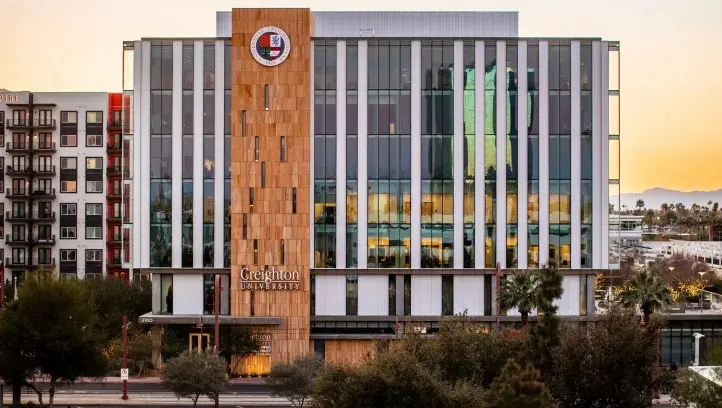
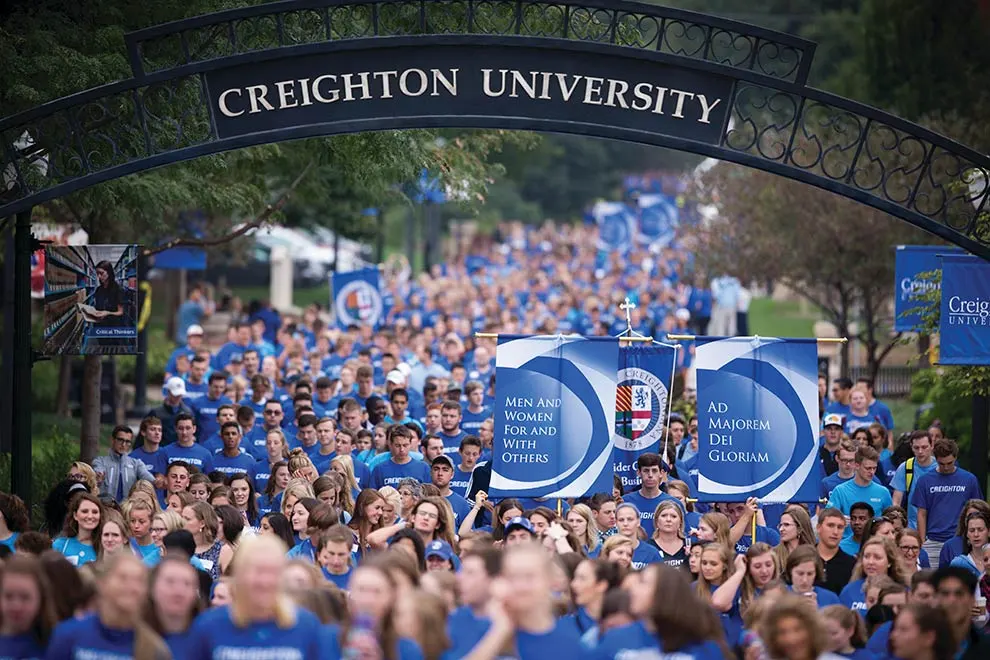
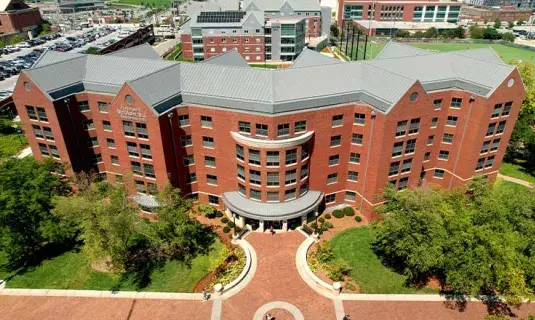

Going first comes with a particular responsibility: paying attention and sharing what you find. Lees approached that responsibility seriously, and several of her observations made their way directly into product improvements that subsequent adopters will simply take for granted.
Early in the process, the staging environment presented navigation icons without text labels. Lees flagged it. Shortly after, descriptive text appeared beside each icon, making the menu far easier to navigate. She had also, years earlier, submitted feedback about dropdown menus not being sorted alphabetically and saw that implemented within a couple of weeks. “That’s something I’ve really appreciated about Terra Dotta,” Lees says. “You do get to see your feedback put into action.“
One area that did require more upfront effort than anticipated: request permissions. In ISSS Next Gen, permissions can be configured at the individual question level, not just by questionnaire. This allows for a more tailored student and advisor experience, but it also means more granular setup work on the front end. The tradeoff was meaningful–once new configurations are in place, they can be replicated quickly.
The team also encountered a surge of SIS and HR system update requests in the first week—more than 1,000 items at one point, some of them tied to students who were no longer active in SEVIS. Working through that queue revealed a broader data hygiene opportunity: Creighton’s Banner integration was sending records for students who had departed years ago. The migration surfaced that issue, and the team now has a clearer picture of what belongs in their active data set. “As somebody who has only been here a year, that helped me see something I didn’t know was going on,” Lees says. The SIS and HR queue has since settled to single-digit daily volumes.
month into running on ISSS Next Gen, the indicators are encouraging.
Students have found the portal intuitive without requiring hand-holding. There have been no spikes in “how do I use this?” inquiries, a telling signal when any student-facing system changes. CPT requests processed smoothly two weeks post-migration. Advisor approval workflows are functioning as designed.
On the advisor side, the RTI workflow has been a noticeable improvement. In the previous system, posting to RTI required navigating to SEVIS, manually entering a student’s information, and then triggering the connection. “Now, advisors go directly to a student’s profile, and the information is already on the screen,” says Lees. “That saves a whole lot of clicking.”
For ISSS offices preparing for their own migration to Next Gen, Lees offers practical counsel drawn from lived experience.
Think carefully about your request permissions before you begin. The ability to configure access and visibility at the individual question level is one of Next Gen’s most powerful features, but getting those settings right from the start takes time and deliberate thought. Know what you want students to see. Know what advisors need to edit. Map that out before your migration window opens, and the setup will go far more smoothly.
Divide the work by expertise. If your team has staff with deeper knowledge in specific visa categories, let that shape how you approach training and configuration. The divide-and-conquer approach Lees and Cupich Wingender used allowed each person to work from genuine fluency rather than having to learn new material under time pressure.
Be prepared for the SIS and HR update volume in the first week, and don’t panic. The queue will normalize quickly. Use that initial period to review what’s coming through and flag any data that no longer needs to flow into the system.
Submit detailed tickets. Include screenshots, timestamps, and a clear description of exactly what you’re seeing. And before submitting, consult the knowledge base: many issues can be resolved independently, and working through them builds genuine platform fluency.
Finally, lean into the support model. A dedicated contact who knows your setup and stays with you throughout the migration is one of the most valuable offerings from the Terra Dotta team. Use that relationship. Ask the questions. The expertise is there, and it’s grounded in experience that goes beyond the software itself.
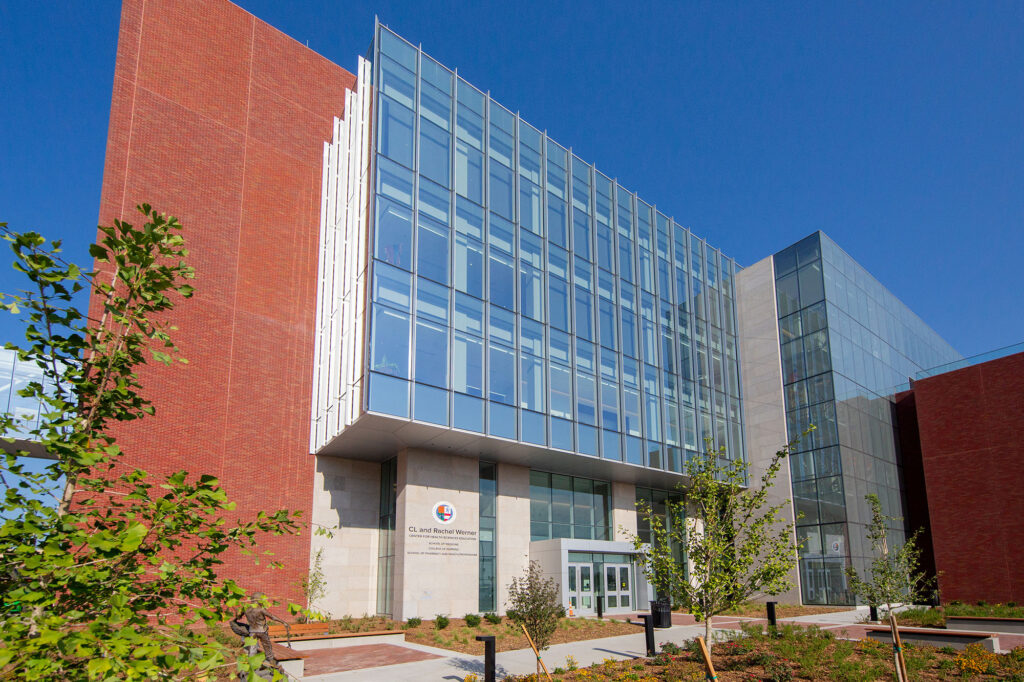


The ISSS team is already looking forward to capabilities on the product roadmap that will extend what they’ve built. Task assignment functionality and e-signature integration, which Creighton is transitioning to at the institutional level, will streamline document handling and eliminate multi-step workarounds. Creighton is also looking forward to search and reporting improvements that will continue to move the program forward.
Beyond features, Lees is interested in what the growing community of Next Gen adopters can build together. She’s eager for opportunities to exchange workflows with peer institutions, particularly regarding how different-sized offices approach rules-based request assignment and student communication. “Connecting with the Terra Dotta community, sharing best practices, and feeding off each other’s ideas reinforces our decision to leverage Terra Dotta,” Lees notes.
That instinct, to share, to learn, to contribute to something larger than one institution’s own implementation, feels consistent with the Jesuit spirit that defines Creighton’s mission. They went first not because they had to, but because they were ready, and because being ready meant others wouldn’t have to figure it out alone.